 Preflex
A knee sleeve that buzzes when your squat goes wrong.
If you've had physical therapy for a knee, you know how it goes. The exercises are fine in the clinic. Then you get home, and there's nobody to tell you your knee is caving in.
Preflex tells you. You feel a short buzz on your thigh the moment it happens, and you fix it.
We're six engineering students at the University of Colorado Boulder, and this is our senior project. It's a prototype. You can't buy one yet, but you can email us if you'd like to try it or follow along.
Why we're building it
We started by asking physical therapists what goes wrong when their patients exercise at home. We talked with ten of them and read a lot of what patients say online. Two things kept coming up.
The first is skipped sessions. One therapist told us a patient who skips the home program ends up two to three weeks behind.
The second is the squat. Several therapists said they often don't assign squats for home at all, because without someone watching, the knee drifts inward again. Patients describe the same thing from the other side: they can't tell what a good squat is supposed to feel like.
So that's the one thing Preflex does. It watches your knee while you squat and lets you know, right then, when it's off.
How it works
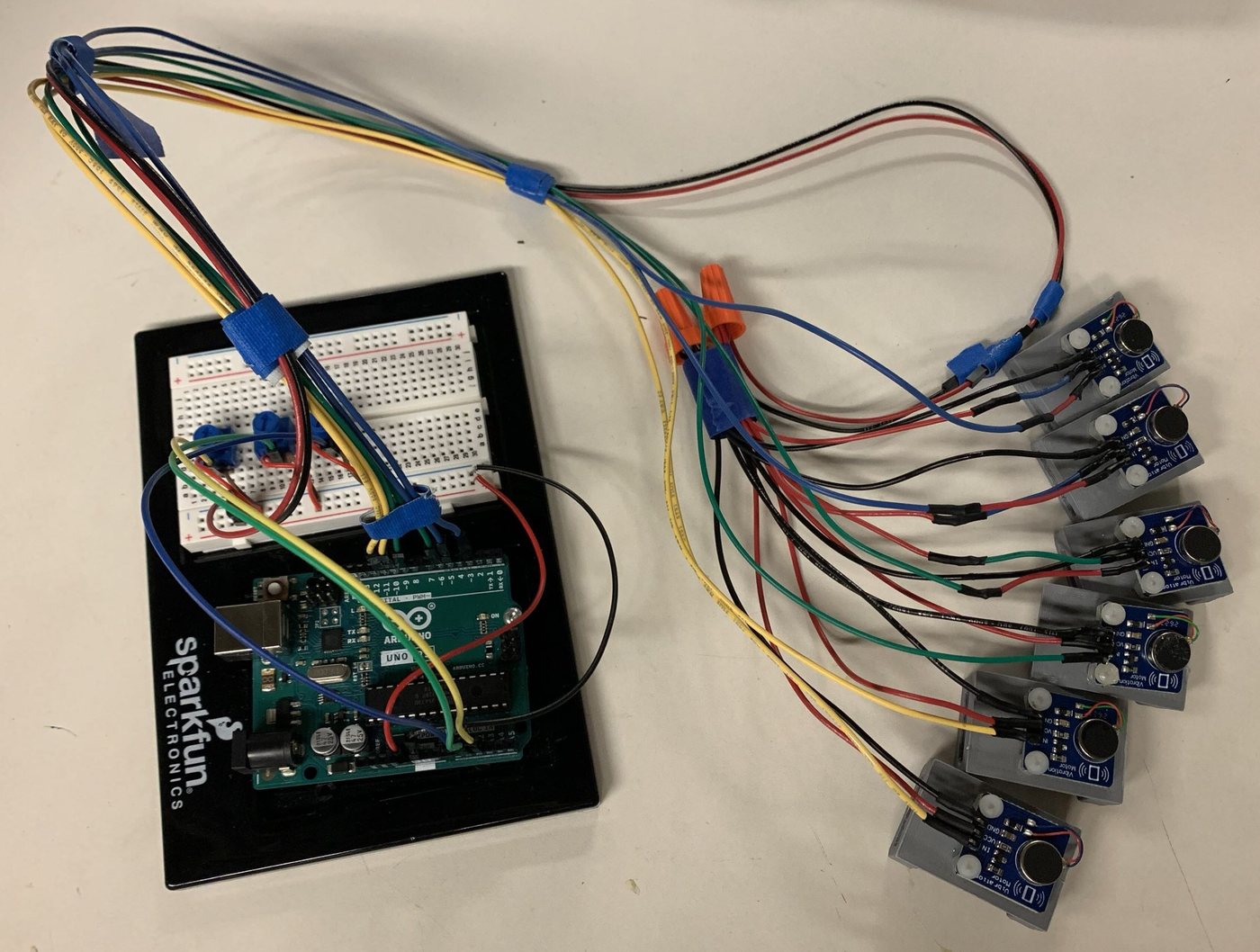
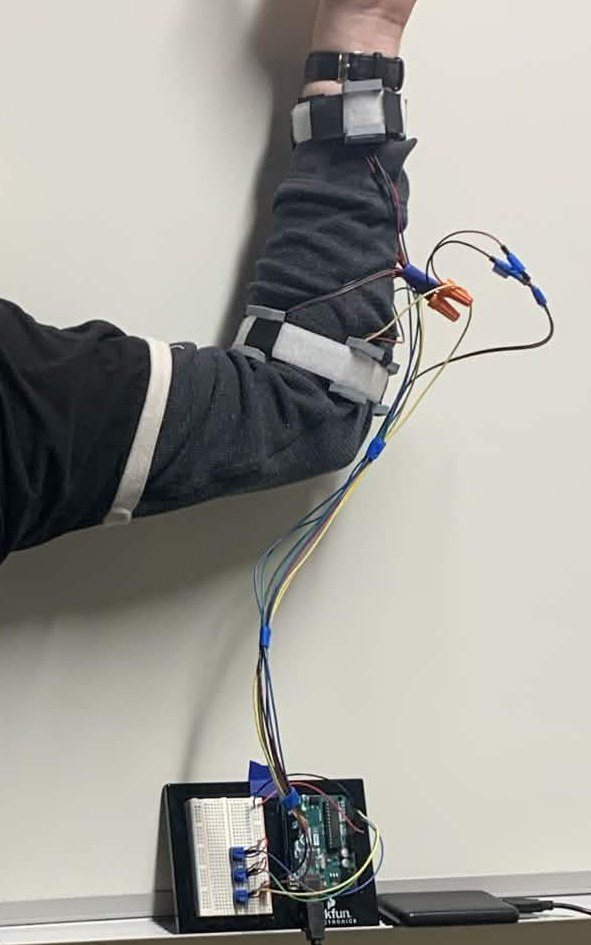
The sleeve has two small sensors, one above your knee and one below. Together they can tell how far your knee is bent and whether it's drifting inward.
Your physical therapist sets how deep you should go and how much drift is too much. There's no built-in "correct" squat. It's whatever they decide is right for you.
When you cross that line, a small motor on the outside of your thigh buzzes. Push your knee toward the buzz and it stops.
There's no screen to watch and no camera to set up. Your phone can stay in your pocket.
The app
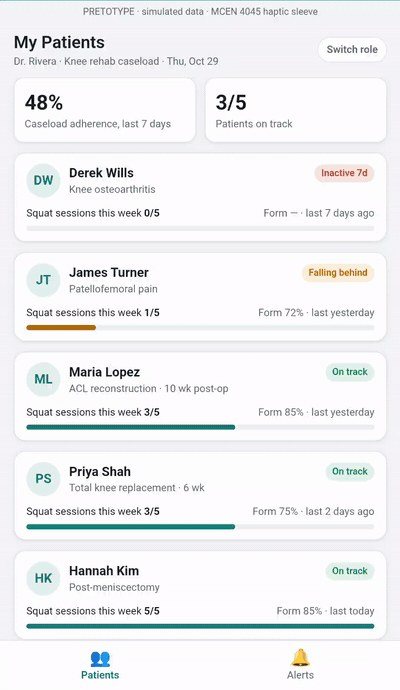
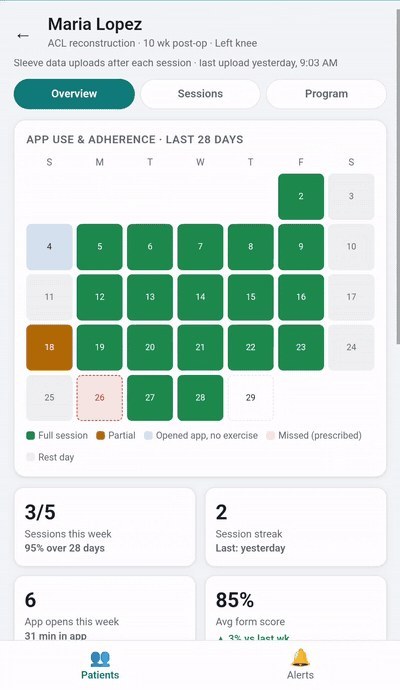
Afterwards, an app shows how many squats you did and how many needed a buzz. Your therapist sees the same thing, so they know how your week went before you walk in.
Where we are
We're aiming for a sleeve that weighs under 7 ounces, runs for at least an hour on a charge, and buzzes within a tenth of a second. Those are targets. We haven't measured them on a finished sleeve yet.
If you're a physical therapist
We'd like to hear from you, especially if you can tell us what's wrong with it. Write to contact@preflex.app.
Common questions
- Is it a medical device?
- No. It's an exercise aid. It doesn't diagnose or treat anything, and it doesn't replace your physical therapist.
- Which exercises does it work with?
- Squats, for now: regular ones, one-leg ones, and sitting down into a chair and standing back up.
- Can I buy one?
- Not yet. Email us and we'll tell you when there's something to try.